This work is part of a semester-long independent project best described as an inquiry into computation and architecture. The exercises in applied technology that are shown were developed alongside a theoretical study and positioning of the complex relationships between architecture, computation, and real estate development.
The project has two main components: An architectural productivity tool which uses relatively simple computational techniques, and one which uses advanced computation.
Lineweighting axonometric or perspective drawings is a menial, time consuming process that takes up a significant amount of time during architectural representation. This tool seeks to put an end to the countless hours of lost productivity due to lineweighting.
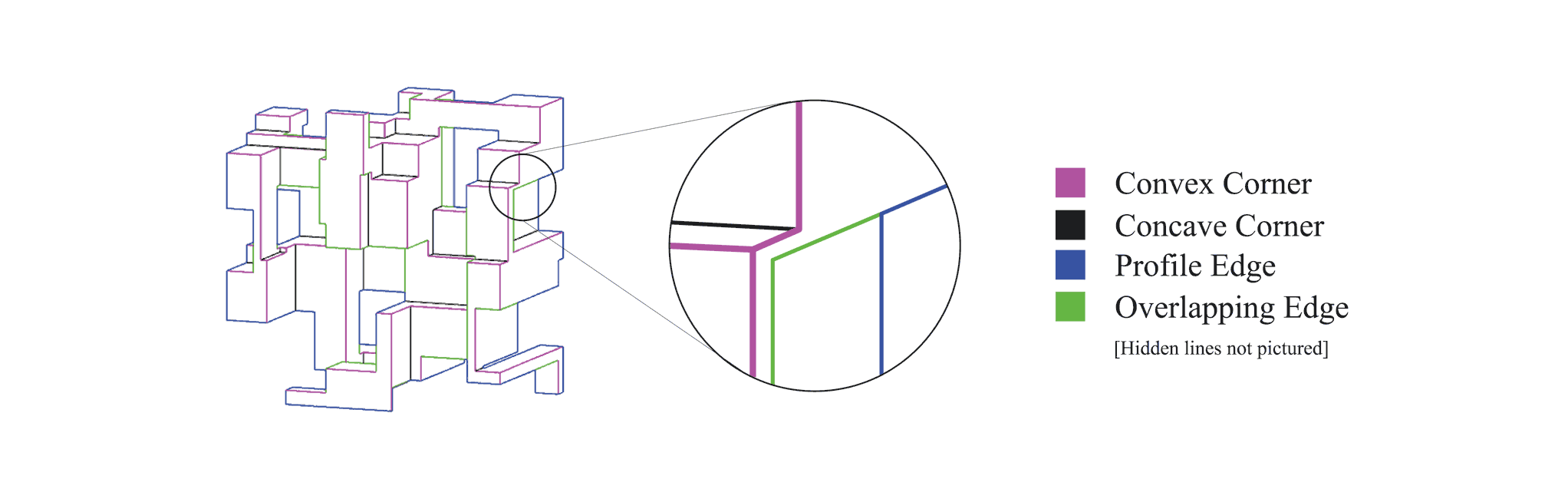
This tool features support for five lineweight conditions. Concave and convex corners are differentiated and edges which have multiple conditions are split and categorized accordingly.
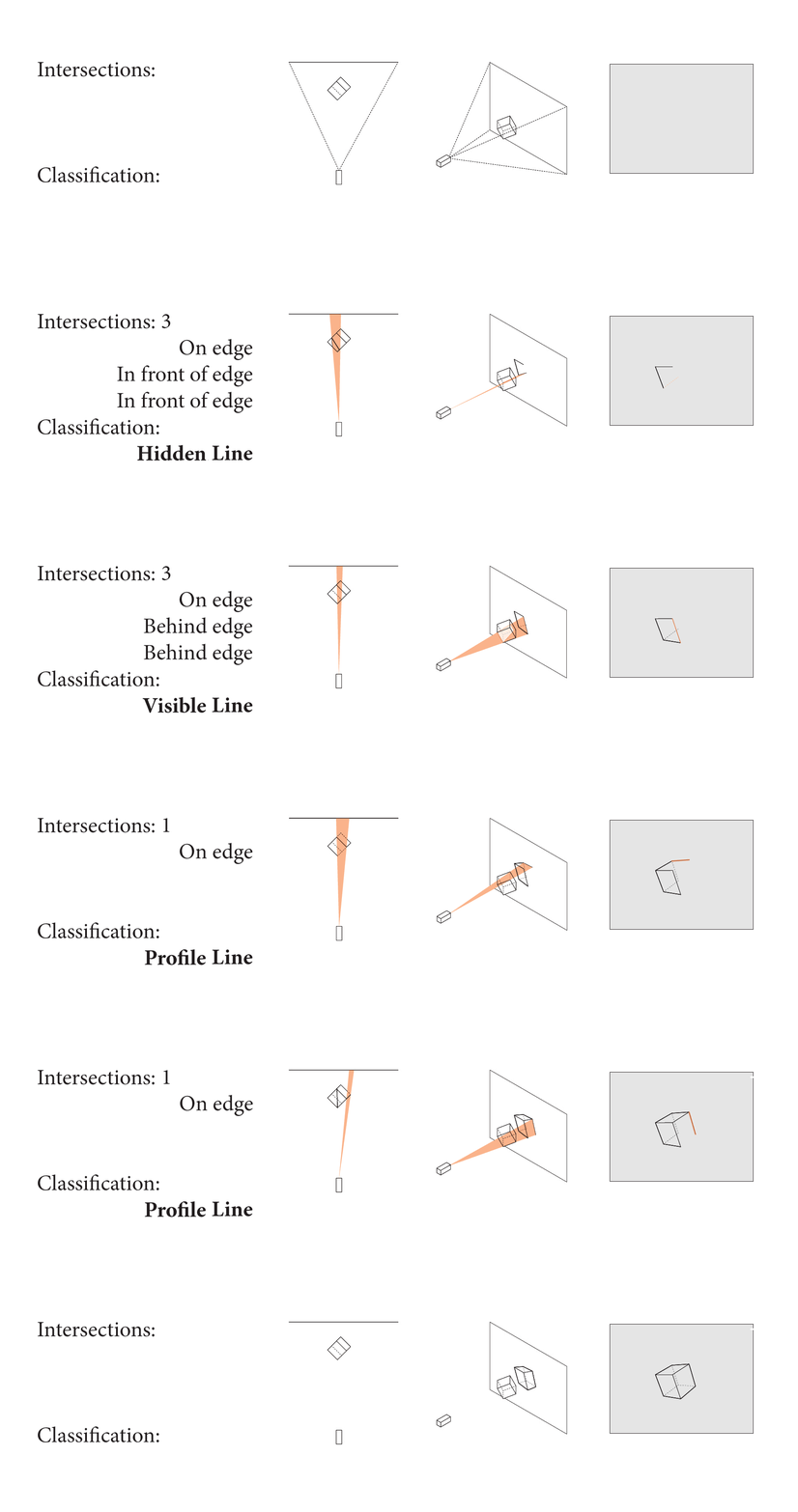
Given an object and a camera view, edges are projected back onto a plane to create a 2d drawing. Edges are classified by checking what exists in front and behind the object.
The full algorithm is not depicted here for proprietary reasons. The animated image above shows the process for three lineweight classification, which is what is currently available in architectural software.
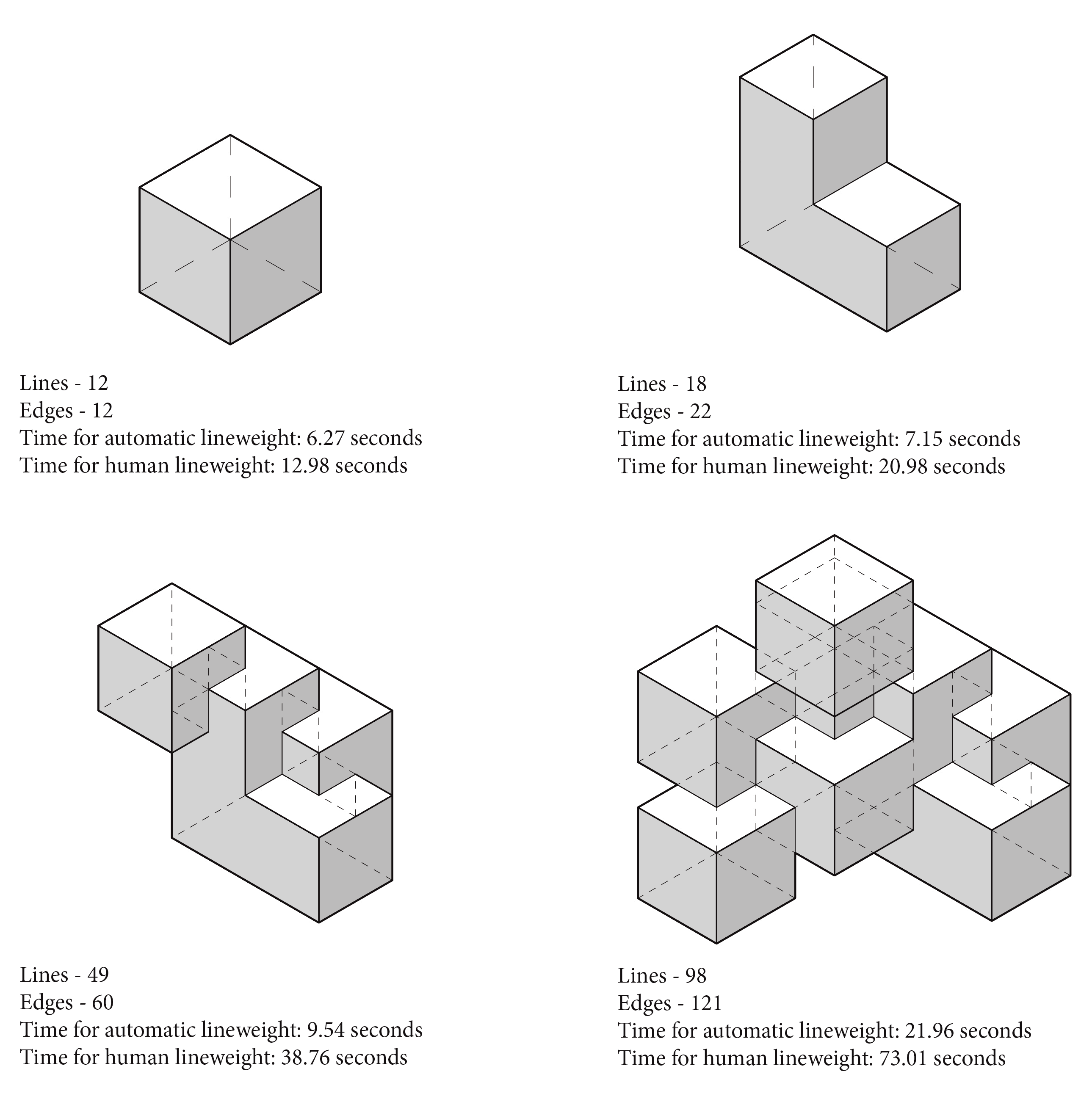
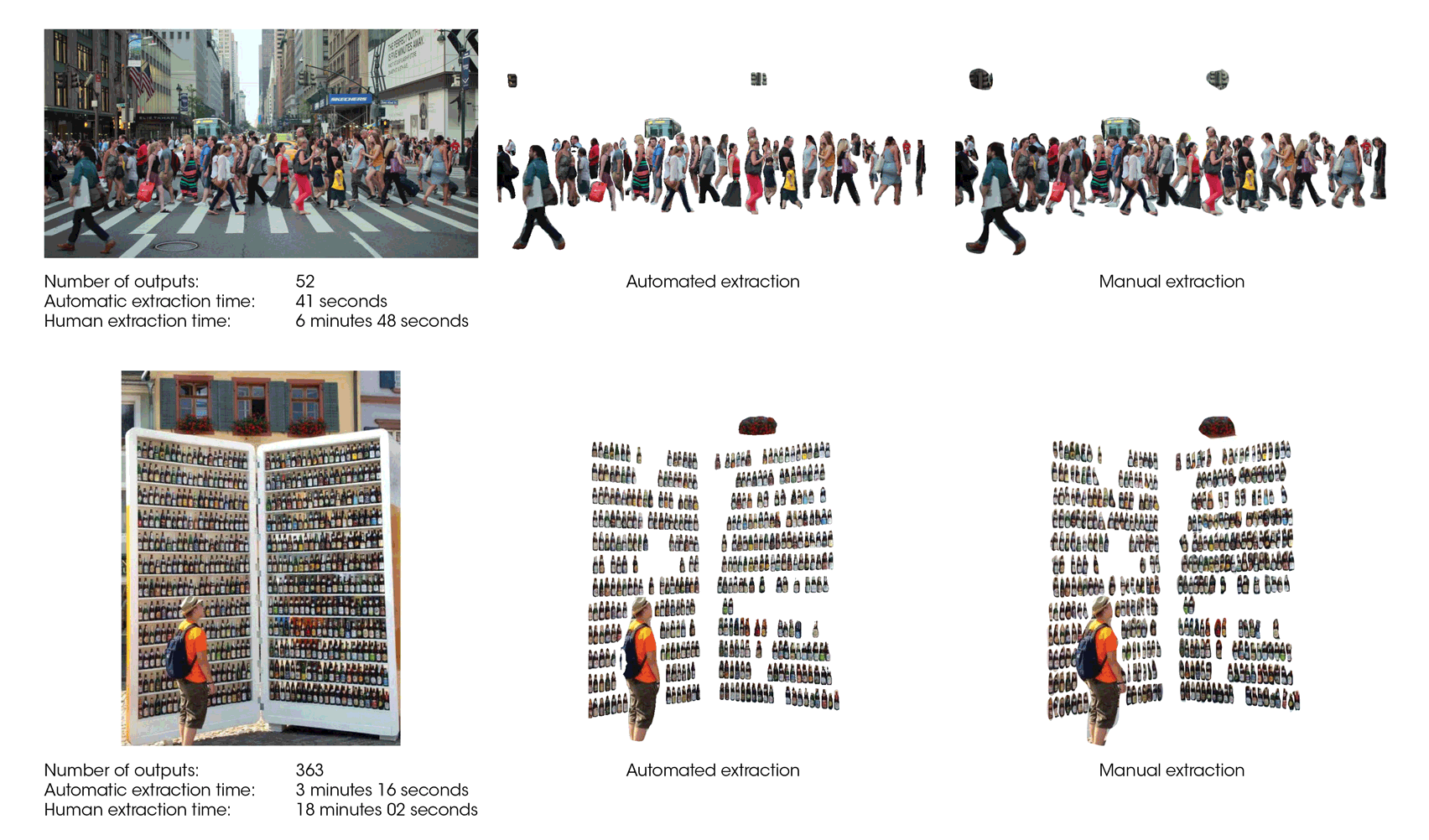
These benchmarks show that this tool surpasses human capabilities. With further optimization, these benchmarks could see huge speedup.
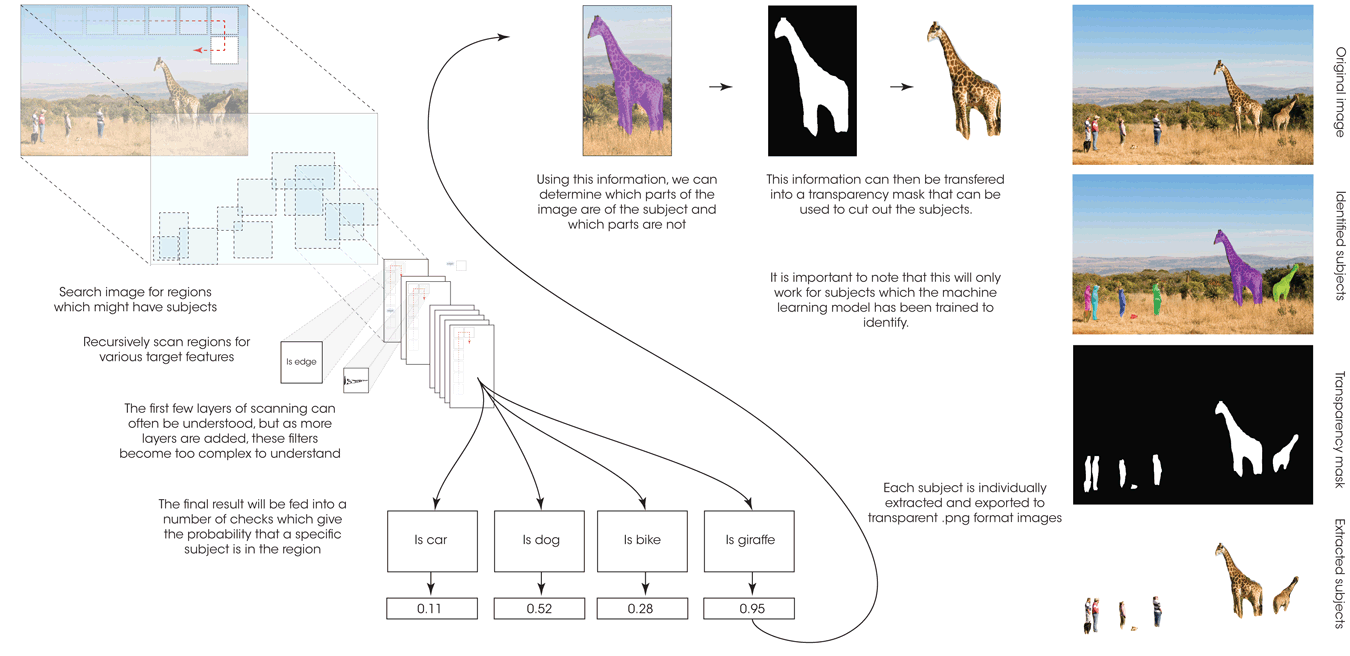
PNG cutouts are very useful in a number of settings but are particularly prevalent in architectural renderings. Cutouts for renderings can be found online, but often what is most useful in a rendering is not available in a cutout format. There are many existing Photoshop tools which can help with this process, but can be very time consuming. With machine learning and computer vision, we can automatically find the subjects of images, cut them out individually, and export to png formats in a matter of seconds. Beyond productivity increases for architectural renderings, this technology has the capability to create massive databases of images that can be used for commercial or research purposes.
Below is a graphic depiction of how this technology works at a very high level of abstraction. It is intended to be easily understood by people from any background.